Vending Machines for Sale: Everything You Need to Know in 2026
Browse our available vending machines for sale | Buy New vending machines
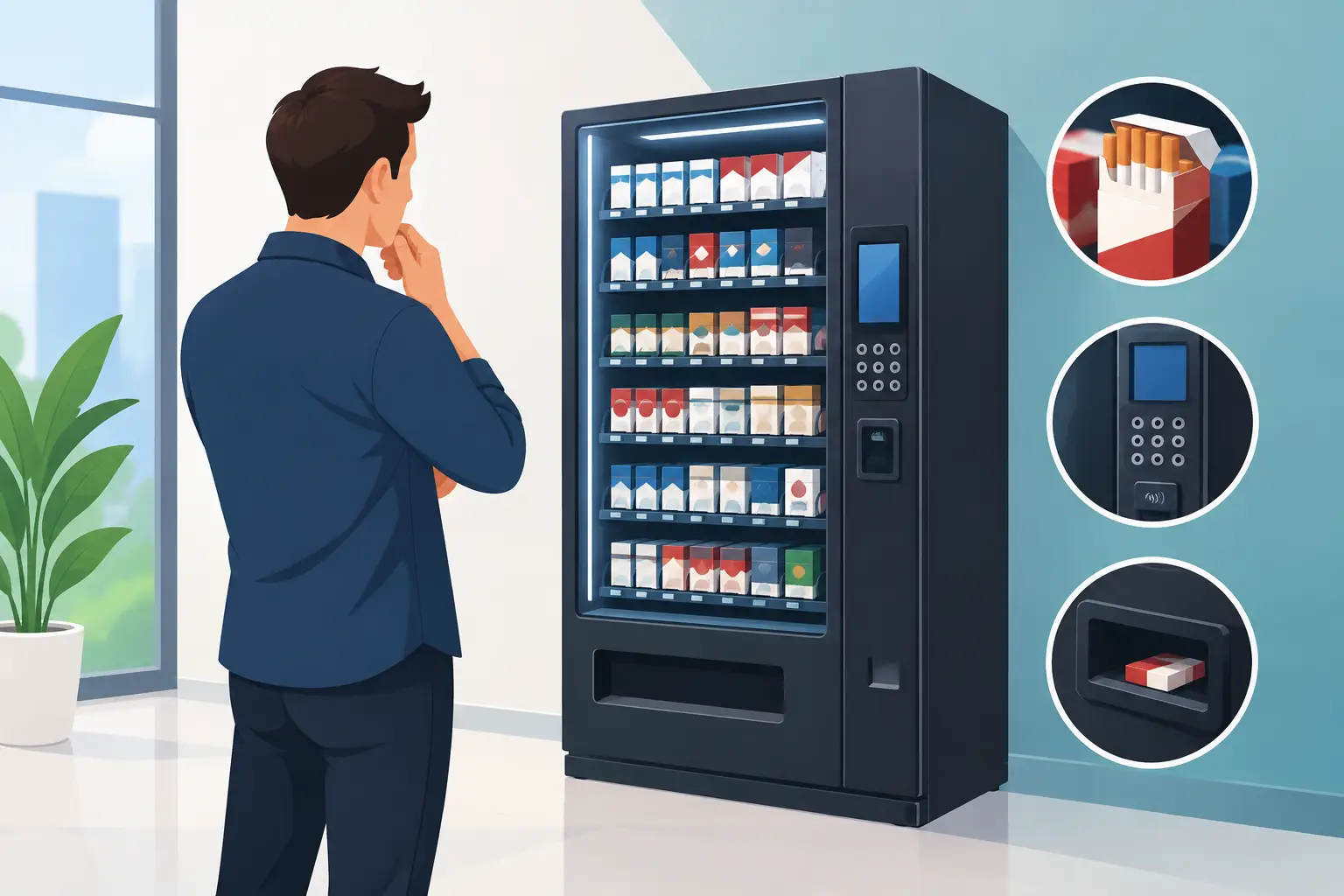
Buying a vending machine in 2026 is about much more than finding a machine at the right price. The type of equipment you choose, where you place it, what you stock, and how customers pay can all have a major impact on the performance of your vending business.
If you are currently searching for vending machines for sale, it is important to understand what you actually need before making a purchase. A machine that performs exceptionally well in a busy workplace may not produce the same results in an apartment building, school, hotel, warehouse, or gym.
The best approach is to start with the location and customer demand, then choose a vending machine that fits the opportunity.
Start With the Location Before Buying a Vending Machine
Location is one of the most important factors to consider when buying vending equipment. Even a high-quality vending machine can struggle if it is placed somewhere with limited traffic or little demand for the products inside.
Before choosing from the vending machines for sale available to you, evaluate the location carefully.
Consider:
- How many people use the location each day?
- What are the busiest hours?
- How long do people typically stay there?
- Are food and beverages already available nearby?
- What products are people likely to purchase?
- Is the location accessible throughout the day?
- Is there a reliable electrical outlet nearby?
- Is there enough room for the machine and for customers to use it comfortably?
For example, a beverage machine may be particularly useful in a warehouse or busy workplace where employees need quick access to drinks. A combination machine offering both snacks and beverages may be more appropriate for an apartment complex, school, hotel, or office.
The goal is not simply to find a place for a machine. The goal is to find a location where customers have a reason to use it.
Choose the Vending Machine Based on What You Plan to Sell
Once you understand the location, determine what products you want to offer. Your product selection should influence the type of machine you purchase.
Snack Vending Machines
Snack machines are designed for products such as chips, candy, cookies, crackers, pastries, and other packaged foods.
They can be a practical choice for:
- Offices
- Schools
- Break rooms
- Hotels
- Apartment buildings
- Waiting areas
Snack machines typically provide multiple product selections while taking up relatively little floor space.
Beverage Vending Machines
Beverage machines are designed primarily for bottled and canned drinks such as water, soda, juice, sports drinks, and energy drinks.
They can work well in locations with steady foot traffic, particularly workplaces, gyms, warehouses, transportation facilities, and other high-use environments.
Combination Vending Machines
Combination vending machines combine snacks and beverages in a single machine.
For operators who want to offer more variety without installing multiple machines, combo machines can be an attractive option. They can also be useful when floor space is limited.
Specialty Vending Machines
Specialty vending machines are designed for specific products or customer needs. Depending on the location, these may include machines for healthier foods, frozen products, personal-care items, electronics accessories, or other specialized merchandise.
The important point is to match the machine to the customers rather than buying equipment simply because it is available.
Research Product Demand Before Stocking the Machine
One of the easiest mistakes for a new vending operator is purchasing inventory based on assumptions.
Different locations can have dramatically different buying patterns.
An office might have strong demand for bottled water, coffee-related products, and healthier snacks. A school could have different preferences, while a warehouse may generate higher demand for drinks and convenient high-energy snacks.
Before filling every selection, start with products that have a clear reason to sell.
You can:
- Ask the property manager what customers or employees request.
- Review sales data if an existing machine was previously installed.
- Observe what people purchase from nearby stores.
- Start with a smaller inventory selection.
- Track which products sell quickly.
- Replace slow-moving products with better-performing alternatives.
A machine does not need to be completely full of different products to perform well. What matters is having the right products available when customers want them.
New vs. Used Vending Machines: Which Should You Buy?
When looking at vending machines for sale, you will generally encounter both new and used equipment.
Each option has advantages and considerations.
Buying a New Vending Machine
New vending machines typically provide the latest features, cleaner equipment, modern payment technology, and fewer concerns about previous wear and tear.
New equipment may make sense when:
- You are installing in a high-traffic location.
- Reliability is a priority.
- You want modern cashless payment options.
- You need a warranty.
- You are building a larger vending route.
- You want to minimize unexpected repairs.
The initial purchase price can be higher, but newer equipment may provide greater predictability over its operating life.
Buying a Used Vending Machine
Used vending machines can reduce the initial investment and may be useful for operators testing a new location or expanding a small route.
However, the purchase price should not be the only consideration.
Before buying a used machine, inspect:
- Cabinet condition
- Locks and security
- Coin mechanism
- Bill validator
- Card reader compatibility
- Motors and dispensing mechanisms
- Refrigeration system, if applicable
- Product trays
- Display and control system
- Power requirements
- Availability of replacement parts
Ask whether the machine has been refurbished and whether it has a history of regular maintenance.
A low purchase price is not necessarily a good deal if the machine immediately requires expensive repairs.
Cashless Payments Are Important in 2026
Payment technology is another major consideration when comparing vending machines for sale.
While cash remains useful, many customers now expect to pay using cards, mobile wallets, or other cashless methods. Modern vending equipment can support cashless payment systems that make purchasing more convenient and can reduce the amount of cash operators need to collect.
When evaluating a machine, do not simply assume that a machine advertised as "card reader ready" includes everything you need.
Check:
- Which payment systems are supported?
- Is the card reader included?
- Is additional hardware required?
- What processing fees apply?
- Is a cellular connection required?
- Are there recurring software or connectivity fees?
- Can transaction and sales data be accessed remotely?
These costs should be included in your overall vending business budget.
Industry organizations such as the National Automatic Merchandising Association (NAMA) continue to highlight technology, cashless payments, software integrations, and self-service systems as important areas within the convenience services industry.
Consider Machine Capacity and Product Selection
Capacity is another important factor when choosing vending equipment.
A larger machine can hold more products, but bigger is not automatically better.
If your location has relatively low traffic, purchasing a very large machine may leave you with excess inventory and unnecessary floor space.
On the other hand, a busy location may require greater capacity to prevent popular products from selling out between restocking visits.
Consider:
- Number of product selections
- Number of items each selection holds
- Product dimensions
- Restocking frequency
- Available floor space
- Expected daily sales
The ideal machine is large enough to meet demand without creating unnecessary operating costs.
Check the Machine's Security Features
Vending machines are often placed in areas where they operate without constant supervision. Security should therefore be part of your purchasing decision.
Look for equipment with:
- Strong cabinet construction
- Reliable locks
- Secure cash compartments
- Protected payment components
- Durable doors and hinges
- Appropriate anchoring options where necessary
The machine should also be easy for an operator or technician to access when it needs to be serviced.
Make Sure the Machine Is Easy to Maintain
A vending machine that cannot be serviced efficiently can quickly become a business problem.
When a machine stops working, customers cannot purchase products, and the location may lose confidence in the service you provide.
Before buying, determine:
- Are replacement parts readily available?
- Can local technicians service the machine?
- Is technical documentation available?
- How easy is it to clear product jams?
- How easy is it to clean and restock?
- Does the machine provide useful error information?
- Can payment equipment be replaced or upgraded?
Serviceability becomes even more important as your vending route grows.
If you eventually operate 10, 20, or 50 machines, small maintenance problems can consume significant amounts of time if the equipment is difficult to service.
Calculate the Total Cost of Buying a Vending Machine
The price listed next to a vending machine is only one part of the investment.
When comparing vending machines for sale, calculate the total cost of getting the machine operational.
Your budget may include:
- Machine purchase price
- Shipping or delivery
- Installation
- Payment hardware
- Payment processing fees
- Initial inventory
- Insurance
- Electricity
- Maintenance
- Repairs
- Restocking costs
- Location commissions
- Software or connectivity fees
For example, a machine that costs less upfront may require expensive repairs or upgrades, while a more expensive machine may already include features that reduce additional costs.
Look at the total cost of ownership rather than focusing exclusively on the purchase price.
Estimate Sales Realistically
Before purchasing equipment, create a realistic sales projection.
Avoid basing your expectations on the busiest period you observed at a location or on optimistic estimates from someone trying to sell you equipment.
Instead, consider:
- Average daily foot traffic
- Number of potential customers
- Customer demographics
- Operating hours
- Product prices
- Product costs
- Nearby competitors
- Location commission
- Expected restocking frequency
A vending machine can generate revenue, but actual performance depends heavily on the location, products, pricing, and operating costs.
Your goal should be to understand the economics of the location before committing money to equipment.
Measure the Space Before Ordering
A machine may fit perfectly on paper and still create problems during installation.
Measure the actual location as well as the route the machine will take to reach it.
Check:
- Door widths
- Hallway widths
- Elevators
- Stairways
- Ceiling clearance
- Available floor space
- Electrical outlet location
- Customer access around the machine
Vending machines can be heavy and difficult to maneuver. Confirming measurements before delivery can prevent expensive installation problems.
Think About Restocking Before You Buy
Restocking is an important part of operating vending machines.
A location with high sales may require frequent visits, while a smaller location may only require occasional restocking.
Before purchasing equipment, consider how easily you can access the machine and how much inventory it can hold.
Machines with organized product trays and easy-access doors can make restocking faster and reduce the amount of time you spend at each location.
As your vending route grows, efficiency becomes increasingly important.
Compare Vending Machines for Sale Based on Your Business Plan
There is no single vending machine that is perfect for every business.
The right equipment depends on your location, target customers, products, budget, payment preferences, and expected sales volume.
When comparing vending machines for sale, create a simple checklist covering:
- Machine type
- Product capacity
- Dimensions
- Payment options
- Energy requirements
- Security
- Warranty
- Parts availability
- Maintenance requirements
- Shipping and installation costs
- Expected inventory requirements
- Total ownership cost
This makes it easier to compare machines objectively instead of choosing based solely on appearance or price.
Where to Find Vending Machines for Sale
If you are ready to start comparing equipment, you can explore our vending machine shop, where you can find different machine types for different business needs, including snack, beverage, combination, and specialty vending equipment.
Before making a purchase, however, make sure the machine matches the location and product strategy you have already developed.
The goal is not simply to own a vending machine. The goal is to operate equipment that fits your
business model and can serve customers reliably.
Questions to Ask Before Buying a Vending Machine
Before completing your purchase, ask yourself:
- Where will the machine be installed?
- Who will use it?
- What products are most likely to sell?
- How much traffic does the location receive?
- Does the machine accept cashless payments?
- What are the payment processing and connectivity costs?
- Is the machine new or used?
- What warranty is included?
- Are replacement parts available?
- Who will perform repairs?
- How frequently will the machine need to be restocked?
- What will the machine cost after shipping and installation?
- What sales level would make the location worthwhile?
If you cannot answer these questions, take more time to research before purchasing.
Final Thoughts on Buying Vending Machines in 2026
Finding vending machines for sale is easy. Finding the right vending machine for your specific location and business model requires more research.
Start with the location. Understand the customers. Determine which products they are likely to purchase. Then choose equipment that provides the appropriate capacity, payment options, security, reliability, and serviceability.
Whether you choose a new machine or a used unit, the purchase should make sense based on the economics of the location rather than the machine's sticker price alone.
A well-planned vending operation can provide a convenient service to customers while creating an additional revenue stream for the operator. The key is matching the right equipment with the right location, products, and operating strategy.
If you are searching for vending machines for sale in 2026, take the time to compare your options, calculate the complete cost of ownership, and choose equipment based on the business opportunity in front of you—not simply the machine that looks like the best deal.


Comments
Post a Comment